





 Home
Home Incontinence Surgery

Urinary Incontinence Surgery in Bangkok
Regain Confidence and Control
Urinary incontinence is a common yet often under-discussed condition that can affect daily life, confidence, and emotional well-being. Many women feel uncomfortable seeking help, but effective treatment options are available — including advanced surgical solutions in Bangkok.
At Yoskarn Clinic, we offer modern pelvic floor procedures designed to address the root cause of urinary leakage and help patients return to a more active, worry-free lifestyle.
Understanding the Types of Incontinence
Urinary leakage in women generally falls into two main categories, each with different causes and treatment approaches.
Urge Incontinence
This type occurs when the bladder contracts involuntarily, even when it is not full. It is often accompanied by a sudden, strong need to urinate and may result in larger volumes of leakage. In many cases, this condition can be effectively managed with medication and lifestyle adjustments rather than surgery.
Stress Incontinence
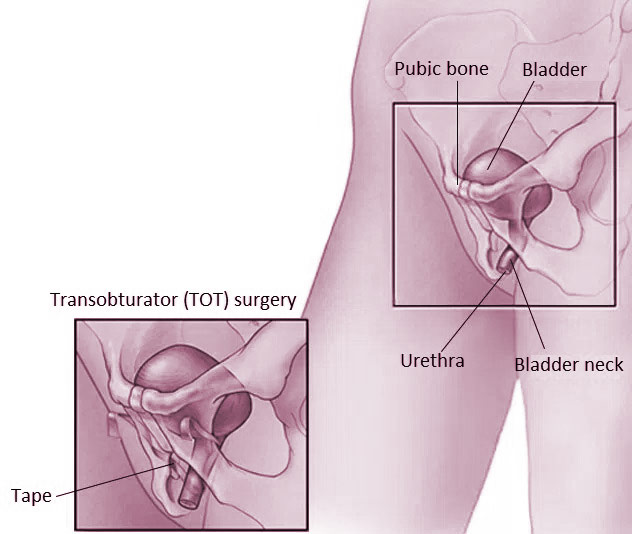
Stress urinary incontinence happens when physical pressure is placed on the bladder. Activities such as coughing, sneezing, laughing, or exercising can trigger leakage. This condition is commonly linked to weakened pelvic support structures, which may result from aging, childbirth, or hormonal changes.
Surgical Treatment for Stress Incontinence
Surgery is typically recommended for women experiencing stress urinary incontinence when non-surgical treatments are not sufficient. The goal of these procedures is to reinforce and restore the natural support system of the bladder.
Most incontinence surgeries are performed through a minimally invasive vaginal approach. This technique helps reduce discomfort, avoid visible scarring, and support faster recovery. Depending on individual needs, the procedure may be done as a day surgery with short anesthesia or combined with other gynecological treatments.
Recovery and Aftercare
Following surgery, patients can expect a gradual recovery period with clear guidelines to ensure optimal healing.
- Activity: Reduced physical activity is recommended for the first several days. Your surgeon will advise a personalized timeline.
- Energy levels: Temporary fatigue is common and usually improves within 2–3 weeks.
- Discomfort: Mild soreness in the vaginal or lower abdominal area may occur but is generally manageable with standard pain relief.
It is also normal to experience:
- Light vaginal discharge similar to a menstrual flow during the first week
- Continued clear or white discharge for several weeks as healing progresses
- Temporary changes in bladder habits, such as increased urgency or frequency
These symptoms typically resolve naturally within a few weeks as the body adjusts and recovers. Urinary flow may feel slower at first but generally improves over time.
When to Contact Your Doctor
While most recoveries are smooth, patients should seek medical advice if any of the following occur:
- Fever above 101°F (38.3°C)
- Difficulty urinating for several hours despite feeling the urge
- Very frequent urination with minimal output
- Heavy bleeding requiring multiple pad changes within a short period
- Pain that does not improve with prescribed medication
Prompt communication ensures any concerns are addressed early and safely.
A Trusted Destination for Women’s Health in Bangkok
At Yoskarn Clinic, we combine medical expertise with a patient-centered approach to deliver safe and discreet care. Our goal is to help women regain bladder control, restore confidence, and improve overall quality of life.
With advanced surgical techniques and attentive aftercare, you can move forward with comfort and reassurance — knowing that effective treatment is within reach.
RELEVANT PROJECT
-
Breast Augmentation
-
Breast Reduction Surgery
-
Breast Lift Surgery
-
Male Breast Reduction
-
Nipple and Areola Reduction
-
Pectoral Implant
-
Liposuction
-
Tummy Tuck Surgery
-
Arm Lift Surgery
-
Buttock Augmentation
-
Mommy Makeover
-
Body lift
-
Calf reduction
-
Circumcision Surgery
-
Penile Enlargement
-
Labiaplasty Surgery
-
Laser Vaginal Tightening
-
ThermiVa Vaginal Rejuvenation
-
Labia Majora Enhancement
-
Pubic Area Liposuction
-
Pubic Lift
-
Hymen Repair
-
vaginal pain treatment

