





 Home
Home Advanced Scar Revision Treatments

Scar Revision: Enhancing Skin Appearance and Function
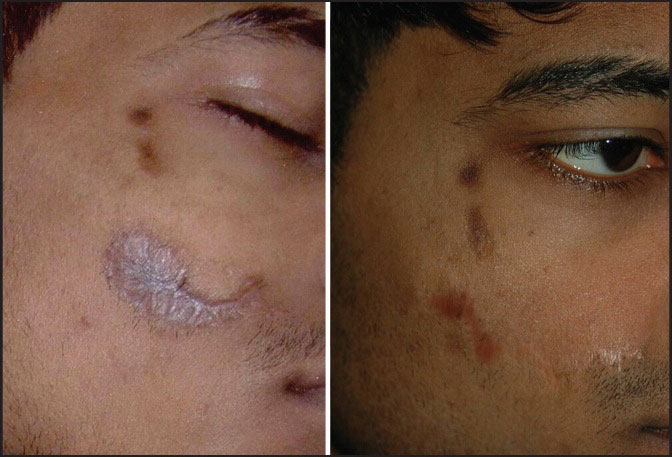
Scar revision is a specialized treatment aimed at reducing the visibility of scars caused by injuries, surgical procedures, or burns. Beyond cosmetic improvement, it can also help restore flexibility and normal movement when scars restrict the skin.
Scars are a natural part of the healing process, but their final appearance varies widely. Some may fade and become barely noticeable, while others remain raised, discolored, or tight. Modern techniques can significantly refine these outcomes.
What Influences Scar Formation?
Several factors determine how a scar develops, including:
- The size, depth, and position of the original wound
- Individual age and healing capacity
- Skin tone and type
Understanding these factors helps surgeons choose the most effective treatment approach.
Anesthesia Options
Scar revision procedures may be performed under different types of anesthesia, depending on complexity:
- Local anesthesia: You remain awake while the area is numbed
- Sedation: You are relaxed in a light sleep state
- General anesthesia: You are fully asleep during the procedure
When Is the Right Time for Treatment?
Timing plays a key role in achieving optimal results. Many scars improve naturally over time, becoming lighter and flatter. In such cases, revision may be recommended several months to a year after healing.
However, certain scars respond best to earlier intervention—often within a few months after they stabilize. A professional evaluation is essential to determine the ideal timing for your specific condition.
Common Scar Revision Techniques
Surgical Removal and Precise Closure
The scar can be carefully excised and the skin meticulously re-stitched to create a finer, less noticeable line.
Skin Resurfacing (Dermabrasion)
A controlled exfoliation technique removes the outer skin layers, encouraging smoother and more even skin regeneration.
Laser Treatments
Laser technology helps reduce redness, improve texture, and stimulate collagen production for a more refined appearance.
Z-Plasty and Tissue Rearrangement
For tight or restrictive scars, techniques like Z-plasty reposition the scar along natural skin lines, reducing tension and improving mobility.
Skin Grafts and Flap Procedures
For extensive damage, especially from burns:
- Skin grafts transfer thin layers of healthy skin to the affected area
- Flap surgery relocates thicker tissue, including blood supply, for better healing and durability
Tissue Expansion
Often used in reconstructive cases, this method gradually stretches nearby healthy skin using an expandable implant, creating additional tissue to repair the scarred area.
Final Thoughts
Scar revision in Bangkok offers a wide range of advanced solutions tailored to each individual. Whether your goal is cosmetic improvement or restoring skin function, modern techniques can deliver noticeable, long-lasting results.
A consultation with a qualified specialist will help determine the most appropriate treatment plan based on your scar type, location, and personal expectations.

